Product Description
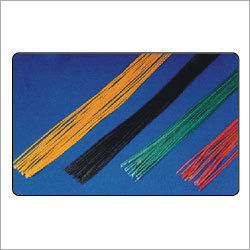
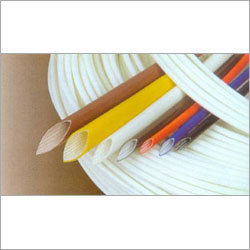
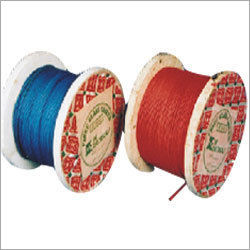
With the aid of our skilled workforce and ethical business policies, we have been able to become the most trusted trader, supplier and exporter of Fiberglass Electrical Sleeving. Procured from the trusted sources of the market, these products are manufactured by fiber glass braiding and are coated with polyurethane resin. These products find application in electromechanical industry for various types of wiring in motors, transformers and generators. Known for their reliable heat resistance, elasticity and oil resistance, Fiberglass Electrical Sleeving offered by us is highly appreciated and demanded among our clients.
Exceptional Electrical InsulationFiberglass Electrical Sleeving offers top-tier electrical insulation for wires, cables, and bus bars. Its superior dielectric properties, ranging from 3 kV to 7 kV based on construction, make it ideal for demanding applications in sensitive environments. The silicone or acrylic surface treatments further bolster safety and longevity.
Versatility and CustomizationAvailable in standard hues like white, red, yellow, blue, and green or tailored to specific user needs, this sleeving comes in various thicknesses (0.3 mm to 1.5 mm) and diameters. The products dimension flexibility allows it to accommodate a range of installations, from compact electronics to larger industrial setups.
Robust Performance and Easy ApplicationWith a density of 2.6 g/cm and low thermal conductivity (approx. 0.04 W/mK), this sleeving withstands heat while maintaining its structural integrity. It is highly flexible, easily bends without cracking, and arrives odorless, making it comfortable to handle and install in diverse operating conditions.
FAQs of Fiberglass Electrical Sleeving:
Q: How is fiberglass electrical sleeving typically installed?
A: To install fiberglass electrical sleeving, you simply slide the tubular sleeving over the wire, cable, or bus bar before terminal connections. Its flexibility lets you bend and route it through tight spaces without causing damage, making installation straightforward in various environments.
Q: What applications benefit most from this sleeving?
A: Fiberglass electrical sleeving is commonly used in electrical, electronic, automotive, and transformer industries. Its strong dielectric properties and flexibility protect vital components from electrical faults and thermal hazards, ensuring reliability in demanding uses.
Q: When should I choose a silicone versus an acrylic coating?
A: Opt for silicone coating when you require higher heat resistance and enhanced electrical insulation. Acrylic coating is suitable for standard environments needing moderate protection at a more economical price point. Both offer durable surface treatments for the insulation sleeve.
Q: Where can this sleeving be sourced from?
A: The sleeving is available through distributors, exporters, importers, manufacturers, suppliers, and traders, including those serving the German and international markets. It can often be supplied in rolls or pre-cut lengths, as needed for your project.
Q: What is the process behind the manufacture of this electrical sleeving?
A: The sleeving is produced via a braiding technique using high-quality fiberglass strands, followed by a surface treatmenteither silicone rubber or acrylic resinto enhance performance. The product can then be tailored in length and diameter according to specific requirements.
Q: How does fiberglass sleeving benefit electrical insulation efforts?
A: Its high dielectric strength shields wires and cables from electrical breakdown, while low moisture absorption and excellent flexibility reduce risk of corrosion and mechanical failure. The sleevings thermal stability further protects components from overheating, boosting equipment lifespan and safety.





 Send Inquiry



 English
 Spanish
 French
 German
 Italian
 Chinese (Simplified)
 Japanese
 Korean
 Arabic
 Portuguese