Product Description
FIBERGLASS FABRIC
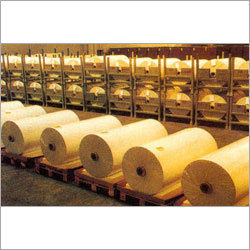
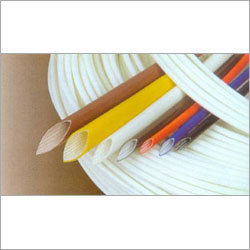
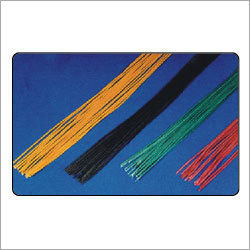
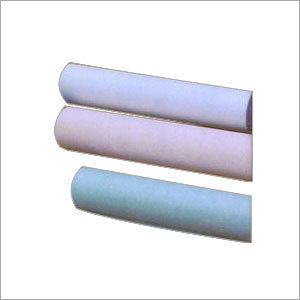
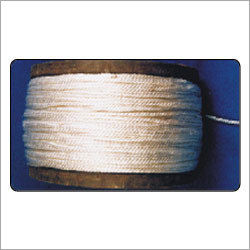
Backed by immense experience and expertise, we are engaged in offering a wide range ofFIBERGLASS FABRICto our respected clients. These products are widely used for manufacturing copper clad laminates. Procured from the reputed vendors of the market, the products offered by us are made of high quality raw material. These are thoroughly checked by our quality controllers and defective products are send back to the vendor for rectification and correction. Owing to their high insulating features,FIBERGLASS FABRICare very popular in the market.
Superior Thermal and Electrical InsulationEngineered to withstand extreme temperatures, our fiberglass fabric offers high dielectric strength and excellent insulation for electrical and thermal control. Coated versions reliably protect up to 1000C, while the woven structure ensures consistent performance in demanding environments.
Versatile Construction and Customizable DimensionsChoose from multiple weave patternsplain, twill, or satinand enjoy customized dimensions suited to your application. Widths range from 0.90 m to 2 m, lengths from 30 m to 100 m, and thicknesses between 0.18 mm and 3 mm, letting you tailor the product for specific insulation, protection, or reinforcement needs.
Certified Quality and Durable PackagingOur fiberglass fabric meets internationally recognized standards (IS, ASTM, BS, DIN) and is shipped securely in HDPE bags, carton boxes, or wooden cases. This ensures your order arrives in pristine condition, whether youre a manufacturer, distributor, or end user.
FAQs of Fiberglass Fabric:
Q: How is the fiberglass fabric used in industrial applications?
A: Fiberglass fabric is primarily used for insulation, fireproofing, reinforcement, and heat protection across industries such as foundry, shipbuilding, steelworks, welding, electrical, and construction. Its high dielectric strength and thermal resistance make it suitable for demanding environments.
Q: What benefits do the different coatings provide for the fabric?
A: Coatings like silicon, PTFE, vermiculite, and graphite enhance the fabrics thermal resistance, chemical stability, and durability. Coated fabrics can handle temperatures up to 1000C, offer greater resistance to chemicals and flames, and maintain strength under harsh conditions.
Q: When should I choose a particular weave pattern like plain, twill, or satin?
A: The choice of weave depends on the required propertiesplain weave offers basic strength and structure, twill provides flexibility and drapability, while satin yields a smooth surface and is suitable for aesthetic or specialized reinforcement needs.
Q: Where can the customized dimensions be utilized best?
A: Custom widths (0.90 m 2 m) and lengths (30 m 100 m) enable use in varied environmentsfrom narrow insulation channels to broad protective barriers in construction, shipbuilding, or manufacturing plants. Tailoring the roll dimensions ensures optimal fit and performance.
Q: What process ensures the fabric meets quality standards?
A: Manufacturing follows strict protocols conforming to IS, ASTM, BS, and DIN standards. Quality assurance covers material selection, weaving technique, coating application, and final testing for tensile strength, dielectric performance, and moisture absorption.
Q: How does low moisture absorption benefit electrical and insulation applications?
A: With moisture absorption below 0.1%, the fabric retains structural stability and insulating properties even in humid conditions. This prevents dielectric breakdown and ensures consistent heat and electrical insulation over time.
Q: Is the fiberglass fabric supplied across India for various sectors?
A: Yes, we manufacture, distribute, export, import, and supply fiberglass fabric throughout India, meeting the needs of clients in industries such as construction, shipbuilding, steelworks, and electrical sectors.





 Send Inquiry



 English
 Spanish
 French
 German
 Italian
 Chinese (Simplified)
 Japanese
 Korean
 Arabic
 Portuguese